Invited Speakers
We are pleased to introduce the invited speakers representing the 13 specialized academic sessions of EPAM 2026 Kyoto.
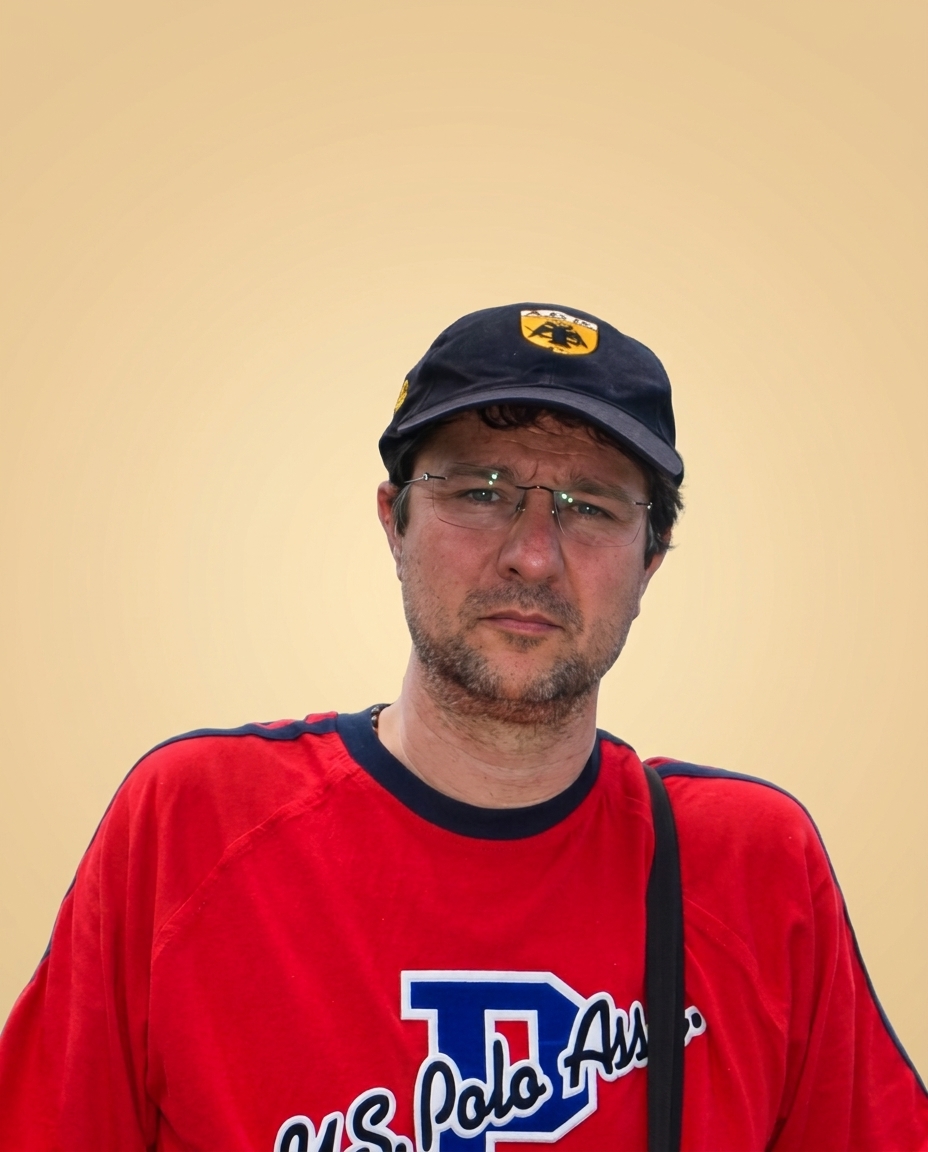
Prof. George N. Zaimes
Biography: Dr. George N. Zaimes is a Professor in the Department of Natural Environment and Climate Resilience at the Democritus University of Thrace, Greece, specializing in Stream and Riparian Area Management. He earned his PhD from Iowa State University and currently serves as the Director of the GERi Lab (Geomorphology, Edaphology and Riparian Areas). With more than 20 years of international teaching experience, he has taught water-related courses in the United States, Greece, Germany, Spain, and Jordan. His research focuses on sustainable water resources management, emphasizing nature-based solutions, riparian ecosystem conservation, and the application of innovative technologies to address environmental and climate challenges. Professor Zaimes has successfully led and participated in numerous nationally and internationally funded projects, including MEST, ECOMED, WaSec, Protect-Streams-4-Sea, NbS-4-Climate, FEED4FOOD, MEXECO, and Adapt-2-CC, several of which have received recognition as “Best Projects” in environmental management. An active member of international scientific networks and editorial boards, Professor Zaimes has authored more than 150 scientific publications, including journal articles, conference papers, and book chapters. He has established collaborations with organizations in more than 30 countries across all inhabited continents, contributing significantly to advancing environmental sustainability and water resource management worldwide.
Abstract: Climate change is intensifying pressures on natural and human systems, resulting in widespread ecosystem degradation, biodiversity loss, and increasing risks to water availability, food security, disaster resilience, and human well-being. In response to these growing challenges, the European Union has adopted the European Green Deal, a comprehensive framework aimed at achieving climate neutrality by 2050. A key mechanism for reaching this goal is the promotion and implementation of Nature-based Solutions (NbS), which involve the protection, sustainable management, and restoration of natural and modified ecosystems to address societal challenges while benefiting both nature and people. This work aims to advance the strategic use of NbS to enhance climate change resilience by integrating innovative, science-based research with transformative education approaches. The methodological framework of this work combines applied environmental research with capacity-building educational initiatives. On the research side, two targeted NbS case studies implemented by the GERi Lab are presented to demonstrate how innovative tools can improve NbS effectiveness.

Asst. Prof. Dr. Vaidehi Ulaganathan
Biography: Dr. Vaidehi Ulaganathan is an Assistant Professor in the Faculty of Applied Sciences at UCSI University, Malaysia, specializing in Clinical Nutrition with research interests in nutrigenomics, precision nutrition, food systems, and public health. She currently serves as the Head of Department of Food Science and Nutrition, overseeing the Nutrition with Wellness and Food Science with Nutrition programmes. She is a Registered Nutritionist under the Allied Health Professions Council Malaysia, a Certified Lifestyle Medicine Professional, and a Certified Culinary Medicine Practitioner. She has led and contributed to multidisciplinary projects focusing on nutrition-related non-communicable diseases, food safety and risk communication, healthy food choices, digital health innovations, nutrition literacy, and community-based health promotion. Her recent work includes developing nutrient profiling models, studying food safety perceptions and consumer decision-making, advancing AI-driven nutrition information, and exploring brain nutrition and personalized dietary approaches. Since joining academia in 2017, Dr. Vaidehi has actively contributed to scientific research, innovation, and community engagement through numerous publications, prototype developments, research grants, and outreach programs. She is also the developer of the NutriDIY mobile application, designed to support nutrition education and healthier lifestyle practices.
Abstract: Rapid urbanization has reshaped food environments and dietary patterns, contributing to a growing burden of non-communicable diseases, food insecurity, environmental degradation, and health inequities in cities worldwide. These challenges are increasingly interconnected through complex relationships between food systems, population health, and environmental sustainability, necessitating integrated approaches that extend beyond conventional public health strategies. This presentation aims to develop a conceptual framework that integrates urban food environments, nutrition transition, Precision Public Health, and One Health principles to support sustainable city development. A conceptual framework was developed by synthesizing key constructs from the urban health, public health nutrition, food systems, Precision Public Health, and One Health literatures. Relationships among the constructs were systematically mapped to identify pathways linking urbanization, food environments, population health outcomes, and sustainable city development.
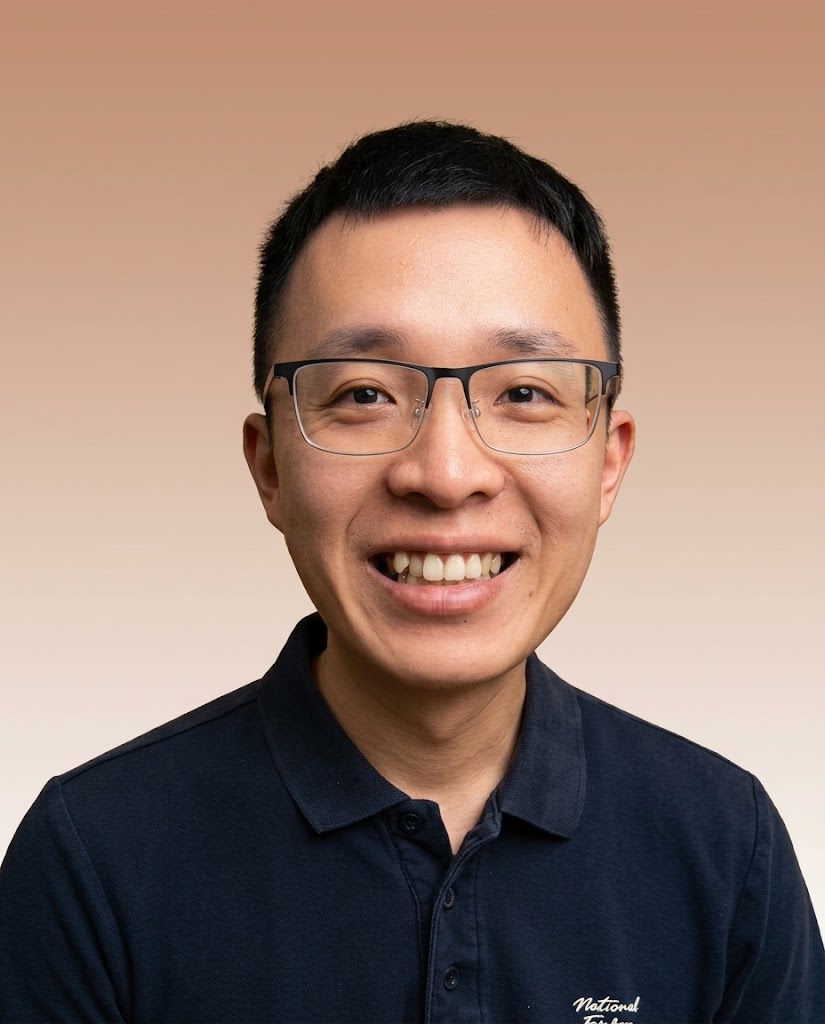
Assoc. Prof. Dr. Shu-Yuan Pan
Biography: Shu-Yuan Pan is an Associate Professor at Department of Bioenvironmental Systems Engineering, College of Bioresources and Agriculture, National Taiwan University (NTU), and the Vice Chief Executive Officer of the Agricultural Net Zero Technology and Management Innovation Research Center at NTU. He obtained his B.S. from the Department of Geography at NTU in 2009, and his M.S. and Ph.D. from the Graduate Institute of Environmental Engineering at NTU in 2011 and 2016, respectively. He served as a visiting researcher at Argonne National Laboratory, and conducted postdoctoral research at Lawrence Berkeley National Laboratory. In 2019, Dr. Pan joined NTU as a tenure-track Assistant Professor, and then was promoted as an Associate Professor in 2023. Pan leads the “Green Technology Lab” at NTU, dedicating to the development of sustainable chemistry and circular economy technologies in accordance with international movements and local demands, such as circular economy and net-zero transformation in agriculture. He has authored over 120 articles (Google citation >14,000 with an h-index of 60) in SCI-indexed journals, including Nature Sustainability, Environmental Science & Technology, Water Research, Journal of Hazardous Materials, ACS Sustainable Chemistry & Engineering, and Bioresource Technology. Several of his papers have been acknowledged as highly cited papers in the field of engineering by ESI. He holds 10 patents and is the author of the book “CO2 Mineralization and Utilization.”
.
Abstract: Circular ecosystems offer a transformative pathway beyond the conventional linear “take–make–dispose” model toward regenerative, resource-efficient, and resilient systems. Inspired by the interconnectedness and resilience of natural ecosystems, circularity seeks to minimize waste, close resource and energy loops, and create value through reduction, reuse, repair, refurbishment, remanufacturing, and recycling. A fundamental shift is to redefine waste as a resource and embed longevity, durability, and reparability into system and product design. Circular ecosystems could also support net-zero transitions by lowering the greenhouse gas emissions while creating carbon sinks. Yet the transition remains constrained by technological and R&D gaps, fragmented infrastructure, regulatory barriers, limited business commitment, skills shortages, and insufficient public awareness. Overcoming these barriers requires enabling policies, innovative financing, cross-sectoral nexus collaboration, effective education and communication, and behavior changes. This presentation highlights the principles, applications, and emerging business models of circular ecosystems, while exploring how data and smart technologies can accelerate circular transitions. Agriculture is used as a living example to demonstrate how circularity can extend the role of agriculture beyond food production by integrating the 6Es, i.e., Ecology, Environment, Energy, Engineering, Economics, and Education, to advance net-zero transformation, resource security, and system resilience. Circular bioeconomy ecosystems represent not merely an economic model, but a societal paradigm shift toward a resilient, equitable, and sustainable future.