Keynote Speakers
We are honored to introduce the distinguished keynote speakers for EPAM 2026 Kyoto. They will share their pioneering research and insights.
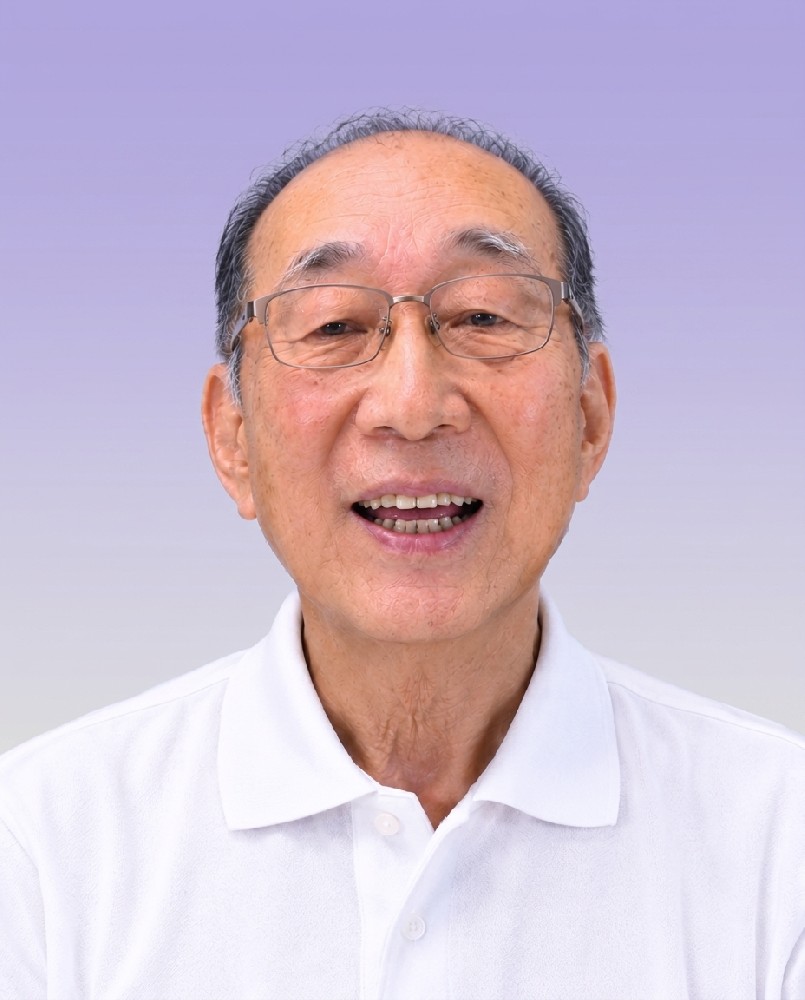
Prof. Dr. TAKAMIZAWA Kazuhiro
Biography: Dr. Kazuhiro Takamizawa is a distinguished Professor in the Faculty of Applied Biological Sciences at Gifu University, Japan. He earned his degree from Hokkaido University's Faculty of Agriculture in 1973. Prior to his academic tenure, he built a solid research foundation at the Osaka City Institute of Public Health and Environmental Sciences from 1974 to 1989, where he was highly recognized for his early contributions to public sanitation and environmental health. Dr. Takamizawa’s research spans environmental microbiology, applied biochemistry, and environmental impact assessment. His core research focuses on bioremediation, particularly using bacteria and membrane reactors, and exploring the utilization of xylan for microbial xylitol production from agricultural waste. His landmark technological innovations include a wastewater treatment method utilizing special sand filters and an innovative supernatant exhausting apparatus. Throughout his career, Dr. Takamizawa has published over 210 research papers and 7 books, and h-index 17. One of the first founders of EPAM. Reflecting his professional standing, he has held key leadership roles in the Japan Society on Water Environment and the Japan Society for Bioscience, Biotechnology, and Agrochemistry. He was also honored with the 8 awards including 4 of internationals, like, prestigious Seoul Metropolitan City Mayor’s Citation in 2007.
Abstract: The first EPAM was held in Osaka in 2009, and 17 years have passed since then. Japan, South Korea, and China, which are home to megacities, have been taking turns hosting conferences on topics related to environmental issues and public health. During this time, global warming has continued unabated, and disasters caused by global warming have visibly increased. Furthermore, urbanization on a global scale has advanced significantly; according to United Nations, the urban population surpassed the rural population in 2011, and that proportion continues to grow. Global environmental issues are becoming intertwined with urban environmental issues. Since the first EPAM, the composition of attendees and presentation topics have changed. In addition to traditional issues, presentations have covered climate change, renewable energy, the circular economy, and urban planning. In step with the advancements in science and technology, some challenges have been resolved, while others have emerged as new problems. A defining feature of EPAM is the term “megacity.” Even if one’s research does not specifically focus on megacities, it is important to recognize that environmental issues are also megacity issues. Furthermore, I believe that a diverse exchange of information is essential for researching and solving megacity issues; this will open up new avenues.

Prof. Dr. Yuyou Li
Biography: Dr. Yu-You Li (Gyokuyu Ri) is a Professor in the Department of Civil and Environmental Engineering at the Graduate School of Engineering, Tohoku University, Japan, where he directs the Environmental Protection Engineering Laboratory. His research primarily focuses on biological wastewater treatment, solid waste management, and bioenergy production. He is particularly recognized for his work in anaerobic biotechnologies, including anaerobic membrane bioreactors (AnMBR), biomethane and biohydrogen production, and anammox processes.
Throughout his career, Dr. Li has pioneered several breakthrough technologies: he developed a thermal hydrolysis process to upgrade anaerobic sludge digestion in 1992, a recirculated two-phase anaerobic digestion system in 2000, and recently introduced an innovative process for enhanced simultaneous nitrogen removal and phosphorus recovery using anammox-HAP symbiotic granules.
An accomplished scholar, Dr. Li has published over 600 papers (including more than 500 SCI-indexed journal articles) and authored 20 book chapters. He served as the Chairman of the Anaerobic Biotechnology Committee of the Japan Society on Water Environment for a decade starting in 2010, and as the Chairman of the Environmental Engineering Committee of the Japan Society of Civil Engineers (2023–2024). Research.com ranks him 3rd among the Best Engineering and Technology Scientists in Japan.
Abstract: abstract text of the presentation here TBD.
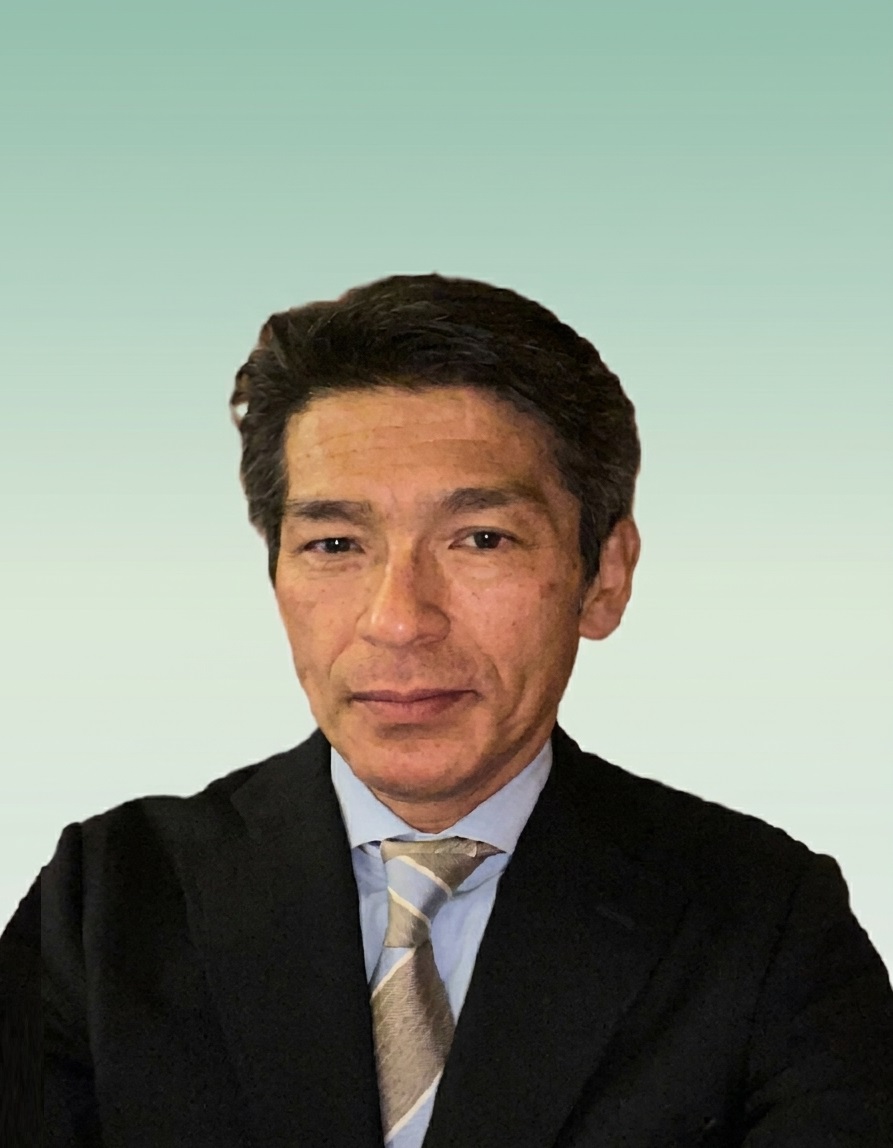
Prof. Dr. Satoshi Okabe
Biography: Dr. Satoshi Okabe is a Professor in the Division of Environmental Engineering at Hokkaido University, Japan. He received his B.S. and M.S. degrees in Civil Engineering from the University of Miyazaki, Japan, and earned his Ph.D. in Civil Engineering from Montana State University, USA. His research centers on elucidating the structure and function of complex microbial ecosystems and applying this knowledge to advance wastewater engineering. By integrating classical cultivation methods with advanced microsensing and molecular ecological techniques—including FISH, MAR-FISH, RNA-SIP, and multi‑omics—he established a multi‑scale, in situ analytical framework that links molecular‑level, single‑cell, and community‑level information. He is also internationally recognized as a leading authority on the ecophysiology of anaerobic ammonium‑oxidizing (anammox) bacteria. Professor Okabe has made significant leadership contributions to both IWA and ISME. He served on the management committees of the IWA Biofilm Specialist Group and the IWA MEWE Specialist Group and was elected an IWA Fellow in 2016. Within ISME, he served as an International Board Member and as Senior Editor of The ISME Journal. In recognition of his scientific achievements and service to the field, he received the Ardern–Lockett Award from the IWA MEWE Specialist Group in 2023 and the IWA–ISME Biocluster Grand Award in 2026.
Abstract: Wastewater reclamation performance is typically evaluated using conventional bioassays, yet the influence of feed water characteristics on treatment effectiveness and residual biological impacts remains unclear. In this study, four reclamation scenarios (NF–RO, Oz–GAC, RSF–Cl, and river-water dilution) were applied to secondary effluents from activated sludge and MBR systems sampled seasonally. Biological impacts were assessed using conventional bioassays and a proposed toxicogenomics-based assay in which treated waters were exposed to HepG2 cells and gene expression profiles were comprehensively analyzed. NF–RO and Oz–GAC generally reduced impacts to drinking-water source levels, although NF–RO was insufficient for MBR-P effluent. RSF–Cl showed variable performance, and dilution was ineffective. Gene-level responses in treated water reflected feed water characteristics, and correlations between DOC and biological endpoints disappeared after treatment. These findings demonstrate that transcriptomic profiling reveals feed water–dependent treatment performance and residual biological impacts undetectable by conventional assays.
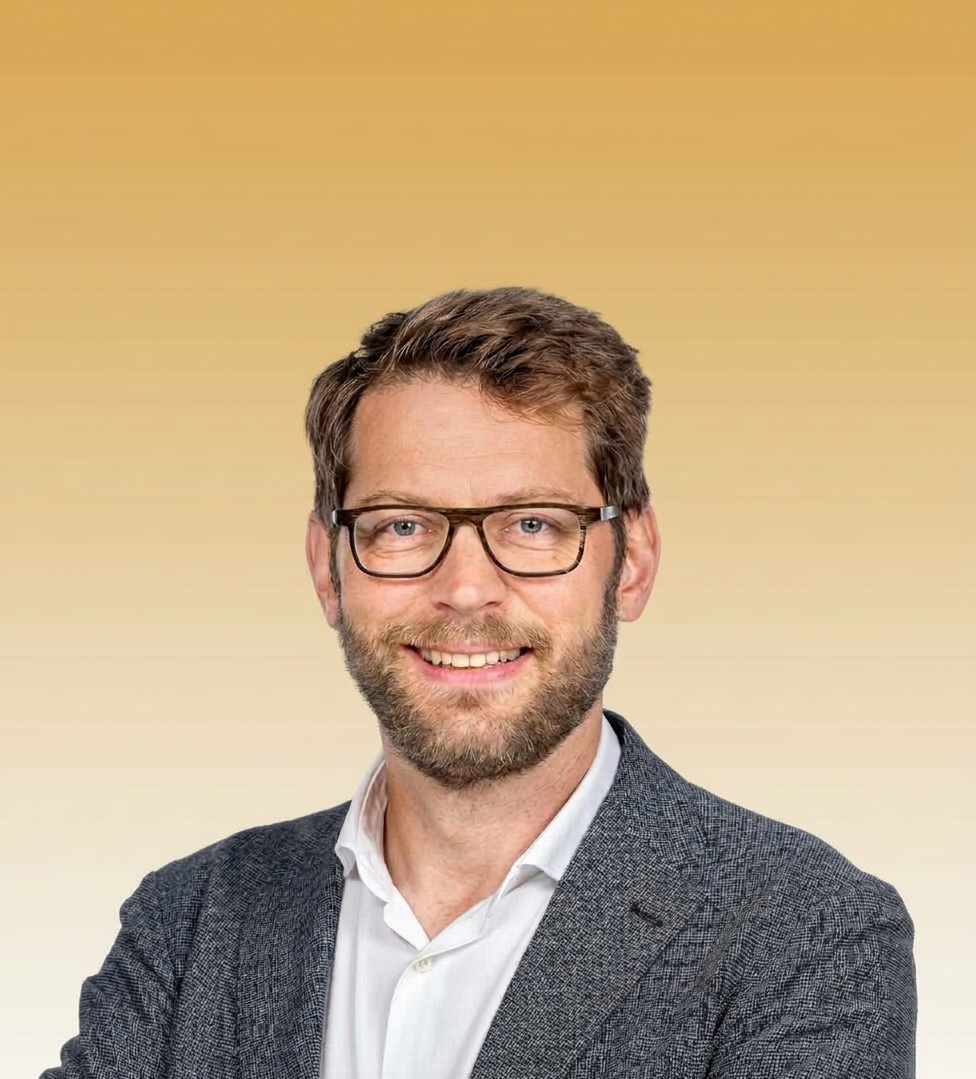
Prof. Dr. Marco Rupprich
Biography: Dr. Marco Rupprich, who obtained his degree in Inorganic Chemistry from the University of Innsbruck and his Ph.D. in Nuclear Medicine from Innsbruck Medical University in 2008, is currently Head of the Sustainable Chemistry & Circular Economy research group at the Institute for Ecopreneurship, School of Life Sciences FHNW, Switzerland. He has long been engaged in environmental process engineering, PFAS analytics, and adsorption-based water treatment. From 2008 to 2019 he led environmental, process and energy engineering research at the MCI Innsbruck, working on membrane filtration, non-thermal plasma treatment, and micropollutant removal from water. Between 2019 and 2024 he gained more than five years of industrial experience in the chemical and pharmaceutical sectors, holding business development and innovation leadership roles.
He is co-founder and shareholder of ionOXess GmbH, a spin-off specializing in Advanced Oxidation Processes and Non-thermal Plasma. He has co-authored numerous peer-reviewed journal articles on membrane technology, PFAS solid-phase extraction, and water treatment, and holds several patents in PFAS removal and separation technologies, including a method for removing per- and polyfluoroalkyl substances (patent pending). His current research focuses on developing sustainable, matrix-independent analytical and remediation solutions for PFAS in water and industrial process streams.
Abstract: Per- and polyfluoroalkyl substances (PFAS) are highly persistent contaminants found across an enormous range of matrices, from drinking and process water to soil, sludge, and complex industrial streams, and no single technology can solve this challenge on its own. At the Institute for Ecopreneurship, FHNW, we address PFAS holistically by combining complementary building blocks into an integrated approach we call "1+1+1=4," where the outcome exceeds what any single measure could achieve on its own. The first pillar is selective removal: fluorophilic, dual-binding ion-exchange materials that selectively capture anionic PFAS, including short-chain and otherwise hard-to-remove homologues, while minimising competition from background matrix constituents and enabling efficient, regenerable adsorption even from complex real-world waters. The second pillar is matrix-independent analytics: a miniaturised solid-phase extraction ("Any Matrix") platform that reliably quantifies PFAS across water, soil, food, and industrial samples using a fraction of the sorbent and solvent volume required by conventional SPE workflows (over 80% less solvent) while preserving sensitivity and recovery. Presented together, these elements reinforce one another, as selective capture concentrates and isolates PFAS from complex matrices while matrix-independent analytics enables reliable tracking of removal and process performance across every relevant sample type. We will present recent results from each pillar and discuss how their combination provides a practical route towards PFAS-free water and circular process streams.
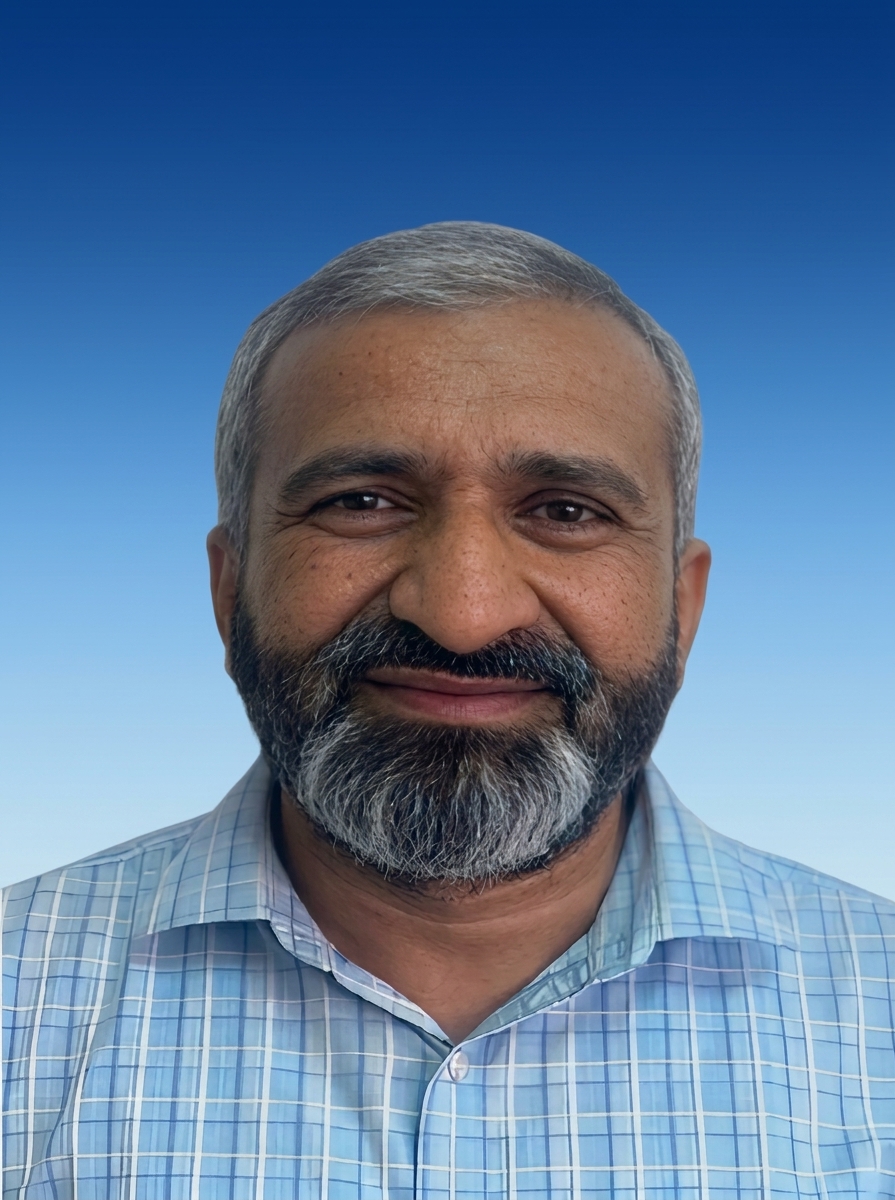
Prof. Dr. Ajay Kalamdhad
Biography: Dr. Ajay Kalamdhad is working as a Professor in Department of Civil Engineering, Indian Institute of Technology (IIT) Guwahati obtained his Bachelor, Masters and Doctorate degrees in Civil and Environmental Engineering from GEC Jabalpur, VNIT Nagpur and IIT Roorkee respectively in the years 2001, 2003 & 2008. Prior to joining IIT Guwahati in 2009, He was an Assistant Professor at VNIT Nagpur (2008-2009) and worked in various projects at RRL, Bhopal (Now AMPRI, Bhopal) and NEERI, Nagpur. His major research areas area: Solid waste management, composting, anaerobic digestion, water quality etc. He has published more than 300 international papers in peer reviewed journals and presented his work in more than 300 national and international conferences/workshops as participant; and more than 150 events as invited speaker. He has also written eight books related to solid waste management with Springer, Elsevier and CRC press. He has also associated with Indian Public Health Engineers, India, International Solid Waste Association Italy and National Solid Waste Association of India; and reviewers of more than 150 international journals. He had worked on various research projects funded by MoEF, DST (SERB, TDT), MDW&S and CSIR, Govt. of India. He has guided 29 PhD students, 80 M. Tech projects, 31 B. Tech projects, and guiding 23 PhD students, 10 M. Tech projects.
Abstract: Rapid urbanisation has amplified the discharge of untreated sewage into the Brahmaputra River, leading to significant contamination of its water quality. This study investigates the effects of organic pollution, particularly the impact of natural organic matter (NOM), on the river’s water quality and the efficacy of drinking water treatment plants (DWTPs) in Guwahati. Additionally, it explores strategies to mitigate disinfection by-product (DBP) formation by removing NOM precursors. A detailed water quality assessment was conducted along a critical urban stretch of the Brahmaputra River, where 18 sampling sites were chosen. Water samples were collected during both dry and wet seasons to analyse physicochemical and biological parameters, including biochemical oxygen demand (BOD), total organic carbon (TOC), and pathogen concentrations. Further, the work focused on evaluating the raw water quality and treatment processes of five major DWTPs in Guwahati. The study revealed alarmingly high levels of biodegradable organic matter, with BOD values at sewage discharge points reaching 83.62 ± 36.40 mg/L, suggesting insufficient self-purification by the river. Elevated TOC levels (3.64 ± 2.35 mg/L). The study then focused on THM formation, with concentrations ranging from 235.92 to 260.42 ppb, surpassing the USEPA’s recommended limit of 80 ppb. The dominant THM was trichloromethane (TCM), followed by bromodichloromethane (BDCM) and dibromochloromethane (DBCM). Risk assessments indicated higher lifetime cancer risks for children compared to adults due to THM exposure. The findings signify the critical role of sewage discharge in degrading the quality of river water, which, in turn, challenges the efficiency of conventional DWTPs to meet drinking water standards. The study highlights the urgent need for innovative and sustainable approaches in managing water quality in rapidly urbanising regions.
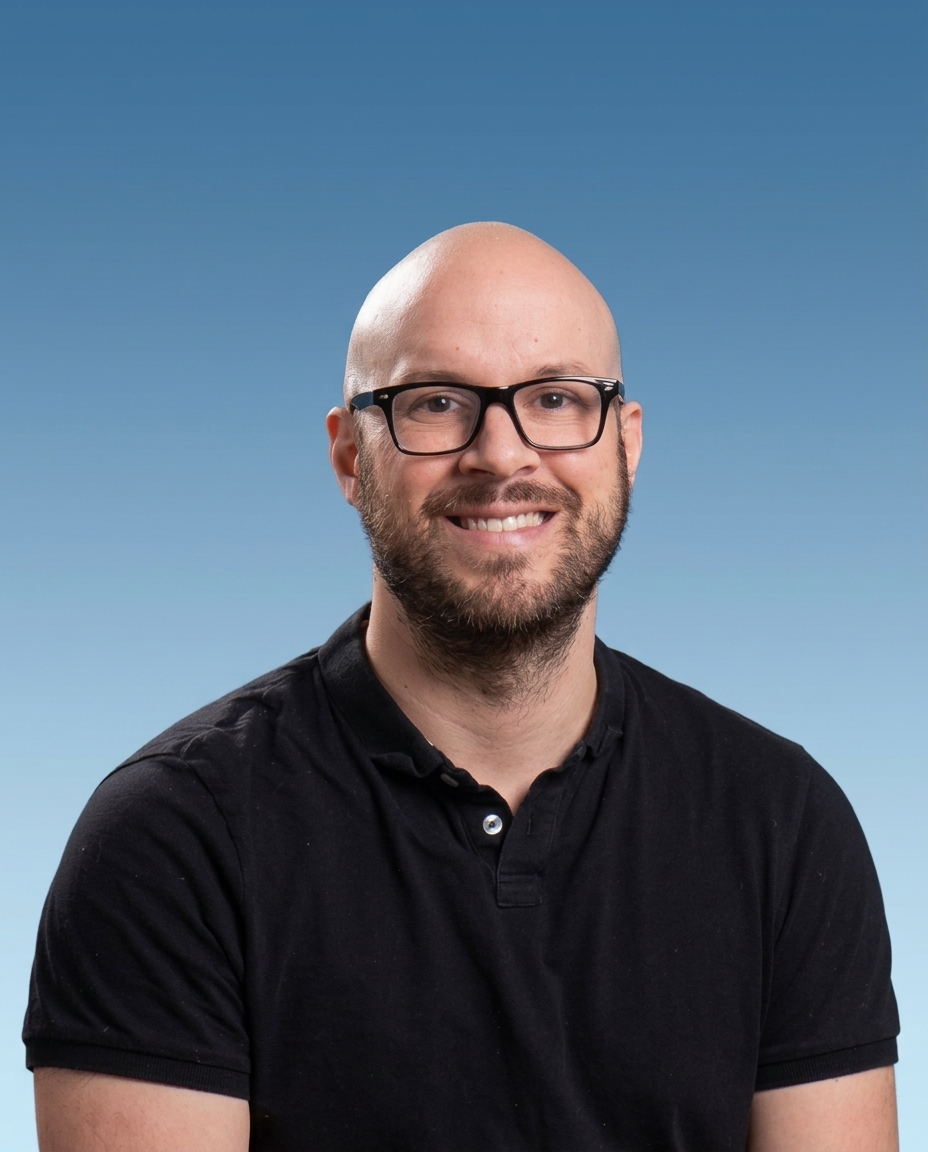
Prof. Dr. Jérémy Masbou
Biography: Dr. Jérémy Masbou is a researcher at the Institut Terre et Environnement de Strasbourg (ITES, University of Strasbourg–CNRS–ENGEES), France, and is currently a Visiting Professor at the University of Seoul, South Korea. His research focuses on emerging contaminants in aquatic environments and on the development of innovative strategies to track their sources, transport, and transformation. His work combines compound-specific isotope analysis, high-resolution mass spectrometry, automated sampling, and wastewater-based epidemiology, with applications to illicit drugs, pesticides, pharmaceuticals, microplastics, and urban water quality. He is actively involved in national and international research collaborations aimed at advancing environmental monitoring and developing new tools for a more comprehensive assessment of water contamination.
Abstract: The detection of contaminants in aquatic environments tells only part of their story. Once released, chemicals may be transported, retained, or transformed, with different consequences for their persistence and effects. Building on insights from pesticide research, this keynote explores how isotope tracing can deepen our understanding of contaminant fate, using the antibiotic sulfamethoxazole as a central example. Changes in stable carbon and nitrogen isotope composition during transformation can reveal processes that concentration measurements alone cannot resolve. Experiments combining simulated sunlight with river water–sediment systems showed that organic matter slowed sulfamethoxazole photodegradation by screening sunlight, while also supporting indirect photochemical reactions. In sediment-containing systems, organic matter promoted microbial transformation, with outcomes depending on oxygen availability. Isotope patterns helped distinguish these pathways, even when photochemical and microbial reactions produced some of the same transformation products. Understanding contaminant fate also requires examining what remains after the parent compound disappears. Non-target screening provides a complementary perspective by revealing chemical signals beyond predefined analytical targets and helping identify previously overlooked transformation products. Combining this broader chemical picture with isotope evidence could strengthen the connection between contaminant detection and fate assessment. Challenges remain, including low environmental concentrations, uncertain compound identification, source mixing, and the translation of laboratory findings to dynamic field settings. These issues become particularly relevant for illicit drugs and their metabolites, as well as microplastics and associated additives, where fragmentation, chemical degradation, and additive release must be distinguished. Together, isotope tracing and non-target screening could help connect the chemical complexity of aquatic pollution with the processes governing contaminant persistence, providing a stronger basis for environmental monitoring.